

Introduction to the Kama Sutra
The Kama Sutra, often misinterpreted solely as a manual for sexual positions, is an ancient Indian text that encompasses a wide array of aspects related to human relationships, love, and desire. Authored by the sage Vātsyāyana in the 3rd century CE, this treatise is considered one of the foundational texts of Indian erotica and philosophy. It is important to acknowledge the historical and cultural context in which Vātsyāyana composed his work, as it reflects the intricate social dynamics of ancient Indian society.


Vātsyāyana aimed to provide guidance on various dimensions of intimacy, courtship, and marital life, illustrating that sexuality and emotional connection are integral components of human experience. In the social fabric of ancient India, relationships were often influenced by caste, status, and the prevailing moral frameworks dictated by religious and philosophical traditions. Thus, the Kama Sutra transcends mere physical interaction, delving into the art of living harmoniously with oneself and within a partnership.
The text itself spans seven parts, covering topics such as the nature of love, the role of women and men in relationships, and the importance of social context in sexual expression. In today’s context, the Kama Sutra remains relevant as it offers insights that extend beyond its historical origins, acknowledging that the pursuit of pleasure should be intertwined with ethical considerations and emotional well-being. This holistic approach is a hallmark of Vātsyāyana’s philosophy, emphasizing the balance between desire and virtue.
As we explore the Kama Sutra, it is vital to appreciate the profound cultural significance it holds in shaping conversations around sexuality and relationships throughout history, as well as its continued influence on contemporary understandings of intimacy.
Understanding the Structure of the Kama Sutra
The Kama Sutra, often widely recognized solely as a manual of sexual positions, actually encompasses a much broader spectrum of human relationships and life philosophies. Composed by the ancient Indian philosopher Vātsyāyana, the text is divided into seven distinct sections that cover various aspects of love, sexual relationships, and the art of living well. This organization reflects the holistic approach to relationships that the Kama Sutra advocates, providing readers with insights that extend beyond physical intimacy.
The first section, known as “General Principles,” delves into the nature of love, its psychological framework, and the social conduct required for navigating romantic relationships. The subsequent section, titled “On Sexual Union,” presents an array of sexual positions and practices. However, it is crucial to note that this part does not function in isolation; instead, it builds upon the foundational aspects discussed in the initial section.
The third section, “On the Acquisition of a Wife,” emphasizes the importance of courtship, the role of women in relationships, and societal expectations, marking a pivot towards the complexities of love and companionship. Following this, “On the Duties and Rights of a Wife” addresses the responsibilities that come with marriage and the significance of mutual respect. The fifth section, “On Other Men’s Wives,” presents a more controversial yet honest exploration of desire and infidelity, detailing how love can transcend societal norms.
Finally, the last two sections, “On the Arts and Sciences of Love” and “On Spiritual Liberation,” highlight the significance of personal growth and the pursuit of a fulfilling life. Through these segments, the Kama Sutra emerges not only as an ancient romantic text, but also as a guide to living a balanced and harmonious life in accordance with love and ethical principles. This layered structure invites readers to appreciate the full depth of Vātsyāyana’s insights into intimacy and relationships.
The Art of Love: Key Concepts of the Kama Sutra

The Kama Sutra, often misunderstood solely as a manual of sexual positions, delves much deeper into the intricate dynamics of love, attraction, and desire. At its core, it presents a holistic view of relationships that encompasses both emotional and physical intimacy. Central to this exploration are the concepts of ‘rasa’ and ‘bhava,’ which illuminate the multifaceted nature of interactions between individuals.
‘Rasa’ refers to the essence or flavor of an experience, often defined through the emotions evoked in intimate engagements. It emphasizes the importance of enjoying the various moods that arise in relationships, cultivating a mutual understanding and appreciation of each other’s feelings. This concept suggests that love is not merely transactional but a profound emotional journey where partners savor each other’s presence, engaging in a dance of affection and passion.
On the other hand, ‘bhava’ represents the state of being or attitude that one embodies in their relationships. It reflects the emotional states that partners bring into their intimate connections, framing how one perceives love and attraction. In the context of the Kama Sutra, ‘bhava’ stresses the need for mindfulness and engagement in the emotional landscapes of one another, reinforcing the significance of communication and empathy.
The synthesis of ‘rasa’ and ‘bhava’ places emphasis on creating holistic intimacy that transcends mere physical encounters. It insists that harmonious relationships are founded on an equilibrium of emotional understanding and physical attraction. Therefore, exploring these key concepts reveals not only the complexities of love and intimacy but also the rich traditions that inform our understanding of relationships in the modern context.
Illustrations: Bringing the Text to Life

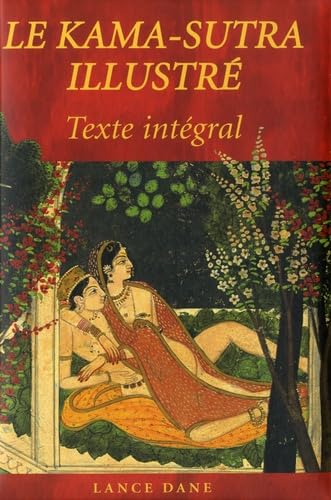
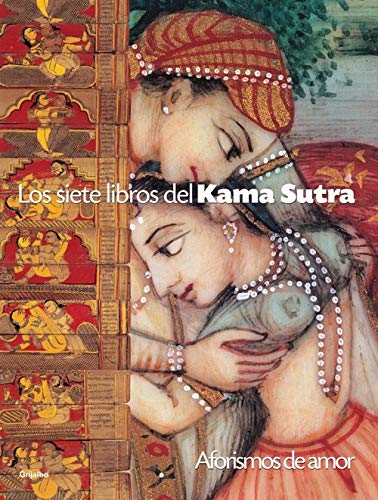
The Kama Sutra, while primarily known for its exploration of sexual philosophy, is significantly enhanced by its rich illustrations. These artistic representations serve a dual purpose: they deepen the reader’s understanding of the text and elevate its aesthetic quality. The illustrations in the Kama Sutra are not merely decorative elements; they are integral to conveying the subtleties of the teachings. By visually depicting various positions and relationships, these artworks allow readers to grasp complex concepts that may be difficult to comprehend through text alone.
The artistic styles embodied in the illustrations reflect the cultural heritage of their time. Originating in ancient India, the illustrations often showcase intricate details and elaborate designs that are characteristic of Indian art. This artistry not only serves to beautify the text but also provides insight into the social norms and values of the era. For instance, the depictions often include elaborate clothing and adornments, indicating the importance of aesthetics and status in intimate relationships. Additionally, these visuals reveal the celebration of the human form, emphasizing a holistic view of sexuality that transcends mere physicality.
Moreover, the rich symbolism in the Kama Sutra’s illustrations captures various aspects of love and desire. Each image can be seen as a narrative that invites the viewer to ponder the diverse expressions of intimacy. This interplay between text and imagery reflects an artistic and cultural synergy that is vital for interpreting the original message of the Kama Sutra. Thus, the illustrations serve as a bridge, merging historical context with timeless human experiences, making the teachings accessible and engaging to a contemporary audience.
Exploring Sexual Positions: Illustrated Guidance

The Original Kama Sutra is widely recognized for its rich and varying depictions of sexual positions, each designed to enhance intimacy between partners. Central to these illustrations is the idea that sexual play is not merely a physical act but an art that encompasses emotional connection, mutual pleasure, and compatibility between partners. Each position is chosen not just for physical engagement but to deepen the bond between lovers, portraying the dance of intimacy that transcends the body.
This ancient text presents a variety of sexual positions that cater to different preferences, abilities, and levels of experience. The Kama Sutra emphasizes the importance of understanding one’s partner and creating an environment of trust and communication. This foundation allows lovers to explore various positions with ease and enjoyment, making the experience fulfilling and pleasurable.
Among the many positions, some highlight the significance of alignment and closeness, encouraging couples to engage in extended eye contact or synchronized breathing, amplifying the sensations shared. Other positions focus on exploration, inviting partners to discover new pleasures and gain insights into each other’s desires. Such diversity ensures that whether one seeks passion, tenderness, or adventure, the Kama Sutra provides the guidance necessary for a satisfying sexual experience.
The text also pays attention to the aesthetic aspects of intimacy. The illustrations in the Kama Sutra are not merely instructional; they serve to inspire an appreciation for the beauty and grace inherent in the act of lovemaking. By marrying physical pleasure with artistic representation, the Kama Sutra allows readers to visualize their experiences, making the lessons on sexual positions all the more impactful and memorable.
The Kama Sutra and its Sexual Philosophy

The Kama Sutra, often mistaken solely as a manual for sexual positions, embodies a profound philosophical approach towards sexuality that reaches far beyond mere physicality. Written by the ancient Indian philosopher Vātsyāyana, this classic text emphasizes the importance of consent and respect within intimate relationships. At its core, the Kama Sutra advocates for mutual understanding and appreciation between partners, highlighting that true sexual experiences stem from a foundation of trust and emotional connection.
Consent is a pivotal aspect woven throughout the teachings of the Kama Sutra. It delineates the significance of both partners actively engaging in the decision-making process regarding their sexual conduct. The text insists that engagement in sexual activities must be approached with a sense of equality and agreement to ensure a fulfilling experience. In this regard, the Kama Sutra provides a reminder that communication and personal agency should govern all forms of intimacy, further ensuring the well-being of all involved.
Additionally, the intersection of love and desire is thoroughly explored within the text. The Kama Sutra posits that sexual relationships are enhanced when both love and passion coalesce. Rather than relegating sexual relations to mere acts of physiological gratification, it promotes a holistic view that intertwines emotional intimacy with physical pleasure. This philosophy encourages individuals to perceive sexuality as not only a biological urge but also as a profound expression of human connection and longing.
Furthermore, the Kama Sutra elucidates the importance of balance in all aspects of life, including sexual relationships. It stresses that a harmonious approach towards love and desire promotes healthier relationships and contributes to the overall well-being of individuals. Through its multi-dimensional exploration of sexuality, the Kama Sutra remains relevant today, encouraging a more respectful and enlightened understanding of intimate partnerships.
Modern Interpretations of the Kama Sutra
The Kama Sutra, originally composed in ancient India, has transcended its time, influencing a myriad of aspects within modern culture. Its interpretations and adaptations have evolved, profoundly making an imprint on literature, art, and popular media, thereby reinforcing its relevance in contemporary society. The text itself is of significant importance beyond its well-known sexual teachings; it also encompasses discussions on love, intimacy, and the complexities of human relationships.
In literature, the Kama Sutra has inspired countless authors and poets to explore themes of love and desire. Modern novels and poetry draw from its aphorisms, echoing its sentiments while often reinterpreting its lessons through a contemporary lens. For instance, many romantic novels reference the philosophies laid out in the Kama Sutra, employing them to enrich character development and plot interactions, showcasing how its teachings can still resonate with today’s readers.
Artistic expressions, particularly in painting and sculpture, have ongoing ties to the Kama Sutra’s aesthetics. Contemporary artists utilize its imagery and motifs, creating works that celebrate sensuality and affection while reflecting modern societal values regarding relationships. This ongoing dialogue ensures that the Kama Sutra’s artistic interpretations remain vibrant and significant, inviting discussions about both historical and contemporary perceptions of intimacy.
Moreover, popular culture has played a crucial role in the dissemination and reinterpretation of the Kama Sutra concepts. It appears in films, television shows, and social media platforms, often sparking discussions about sexuality and relationships that were once taboo. Yet, while many adaptations focus on the physical aspects, they sometimes overlook the deeper philosophy of love, further emphasizing the need for a balanced understanding.
Thus, the resurgence of interest in the Kama Sutra in modern interpretations serves as a testament to its enduring legacy and significance in aiding the understanding of human connection, regardless of the era.
Cultural Impact and Legacy of the Kama Sutra
The Kama Sutra, often misunderstood solely as a manual of sexual positions, encompasses a much broader understanding of love, relationships, and social conduct. Originating from ancient India, it holds immense significance not just as a literary work but as an influential cultural artifact that has shaped various facets of both Eastern and Western societies. Its approach to intimacy, romance, and the dynamics of human relationships illustrates a profound philosophical perspective that transcends mere physicality.
In Eastern cultures, the Kama Sutra has been instrumental in promoting a holistic view of love and sexuality. The text has inspired countless works of art, literature, and dance. For example, traditional Indian sculptures and paintings often depict the teachings of the Kama Sutra, portraying various narratives of human affection and allure. Moreover, its integration into classical Indian philosophy reflects an essential dialogue about the significance of desire and emotional fulfillment, emphasizing the importance of balance in life.
Conversely, the introduction of the Kama Sutra into Western cultures began in the 19th century, paving the way for a renewed exploration of sexual norms and relationships. While initially met with resistance, it has gradually been embraced as a comprehensive guide that fosters open discussions about intimacy, challenging long-held taboos. The text has resonated with modern audiences, influencing contemporary literature, film, and even therapeutic practices aimed at enriching intimate relationships.
The Kama Sutra’s legacy extends beyond its teachings; it serves as a reminder of the enduring complexity of human relationships, inviting individuals to engage with their desires thoughtfully. By examining its impact, it becomes evident that the Kama Sutra remains a vital part of cultural discourse, continuing to shape perceptions of intimacy and romance across the globe.
Conclusion: The Timelessness of the Kama Sutra

The Kama Sutra, originally composed by the ancient Indian philosopher Vātsyāyana, is much more than a mere guide to sexual pleasure; it stands as a vital compilation that addresses the complexities of human relationships. Its teachings extend beyond physical intimacy into realms encompassing love, respect, and emotional connection. In a contemporary setting where relationships can often feel transient or superficial, the timeless lessons of the Kama Sutra encourage individuals to cultivate deep and meaningful bonds with their partners.






At its core, the Kama Sutra promotes the appreciation of both physical and emotional intimacy. It emphasizes that a fulfilling relationship hinges on mutual respect, admiration, and understanding between partners. This holistic view resonates deeply with modern readers who seek not only physical satisfaction but emotional fulfillment as well. By advocating for a balanced approach to love and intimacy, the text invites couples to explore various dimensions of their connection, fostering a richer and more nuanced partnership.
The relevance of the Kama Sutra in today’s world cannot be underestimated. As societal norms evolve, the text serves as a guide for navigating the intricacies of modern relationships. It encourages individuals to embrace vulnerability and communication, essential elements for any successful relationship. In essence, the Kama Sutra is not merely about sexual techniques but about understanding one another on a profound level. Its teachings inspire both reflection and growth, urging us to embrace the beauty of love in all its forms. Thus, the Kama Sutra remains a timeless resource, inviting generations to explore and appreciate the deep connection between partners, all while fostering love, respect, and mutual understanding.